From Store to Social Space: How Retail Design Is Becoming Community-Centric in 2026
- GARY McCARTNEY
- Jan 12
- 3 min read

In 2026, retail spaces across Australia are being designed for more than efficiency and turnover. Customers are seeking places that feel welcoming, engaging and connected to their local community. As a result, community-centric retail design is reshaping how brands think about physical space - transforming stores into destinations where people choose to spend time, not just make purchases.
At McCartney Design, we see this shift as an opportunity to create brand experiences people love, blending function, storytelling and emotional connection.
Why Community-Centric Design Matters
Modern consumers value experience as much as product. Retail environments that support interaction, discovery and social engagement encourage longer dwell times and deeper brand loyalty. When a space feels connected to its community, it becomes part of everyday life - not just a point of sale.
Community-focused retail design can:
Increase customer dwell time
Strengthen emotional connection to a brand
Encourage repeat visits and word-of-mouth engagement
This approach is increasingly visible across experiential retail and hospitality spaces, where design plays a key role in shaping how people feel and behave.
Explore our approach to Retail Design.
Designing Spaces That Encourage Connection
Creating a community-centric retail environment starts with intentional spatial planning. Flexible layouts, clear zoning and inviting shared areas help customers feel comfortable staying longer.
Effective strategies include:
Communal seating and welcoming gathering spaces
Flexible zones for pop-ups, workshops or informal events
Layouts that encourage movement, pause and interaction
Design cues that prioritise comfort over speed
These elements shift the customer mindset from “in and out” to engaged and present.
Brand, Place and Sensory Experience
Community-driven spaces work best when they are deeply aligned with both brand identity and local context. Materials, colour, lighting and artwork can all be used to tell a story - one that feels authentic to the brand and relevant to the neighbourhood it serves.
When sensory details are carefully considered, retail environments become more memorable and emotionally engaging. This layered approach to brand experience design helps spaces resonate well beyond the initial visit.
Learn more about our approach to Brand Design.
Case Study: bp Drive Café Summer Hill
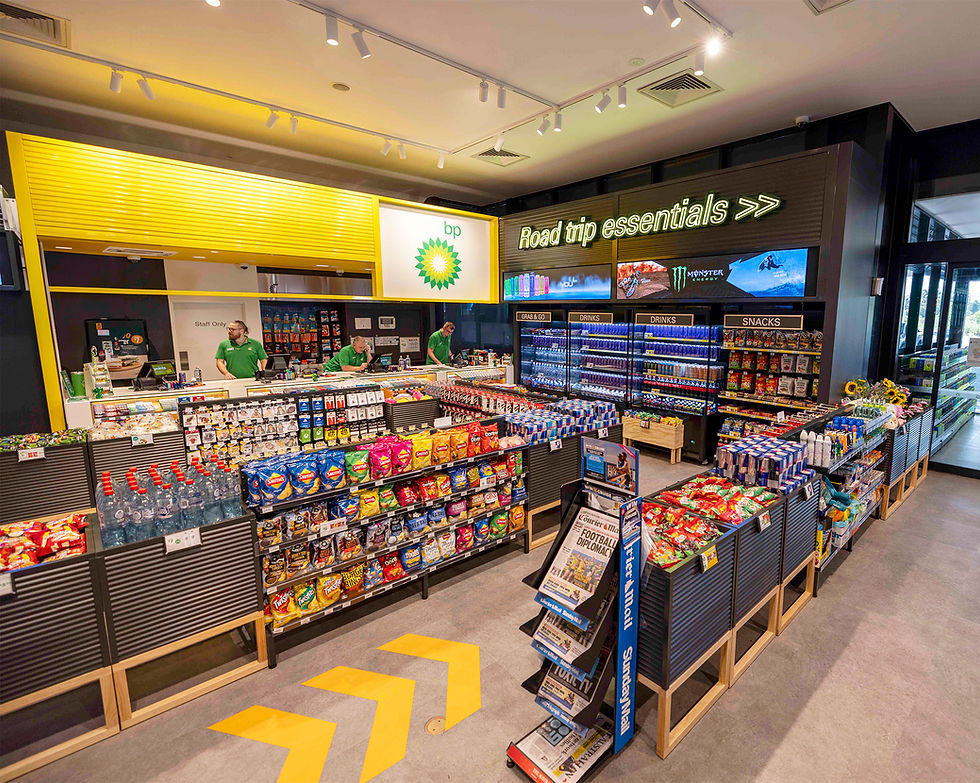
At bp Drive Café in Summer Hill, the goal was to create a destination anchored by bp’s trusted fuel offering and elevated through a strong connection to the local community. Rather than a traditional service station experience, the site was designed as a welcoming retail environment where convenience meets character.
The material and colour palette draws from the artistic spirit of Summer Hill, complemented by bespoke mural artwork created in collaboration with Studio Dennis. Inspired by the local bowerbird, the space incorporates playful, unexpected details that reflect the area’s creative identity.
While bp stands for reliability in fuel, bp Drive Café extends the experience - bringing together thoughtful design, quality food and a strong sense of place. The result is a service station that functions as a community-focused retail destination, encouraging people to stop, stay and engage.
Can Retail Spaces Truly Become Community Hubs?
Community-centric design isn’t limited to cafés or flagship stores. Even high-traffic, functional environments - like service stations - can become social spaces when design prioritises experience, identity and human connection. What matters most is creating environments that feel welcoming, purposeful and reflective of both brand and place.
Designing for the Future of Retail
As retail continues to evolve in 2026, the most successful spaces will be those that go beyond transactions. By designing environments that support connection, interaction and storytelling, brands can create places that people return to - not just for products, but for experience.
Community-centric retail design isn’t a trend; it’s a shift in how brands build relationships through space.


Comments