How Hospitality Design Influences Customer Dwell Time and Spend
- GARY McCARTNEY
- Mar 24
- 6 min read
Updated: Mar 24

Hospitality Design plays a critical role in shaping how long customers stay and how much they spend. In today’s competitive food and beverage market, Hospitality Design is not simply about visual appeal. Hospitality Design influences movement, comfort, perception of value and emotional response. For restaurant and venue owners, Hospitality Design directly affects operational efficiency and commercial outcomes. When approached strategically, Hospitality Design becomes a measurable business tool rather than a purely aesthetic exercise.
Across major cities such as Sydney, Melbourne and Brisbane, operators are increasingly aware that layout, lighting and spatial planning impact average transaction value. Engaging experienced professionals in hospitality design strategy and planning allows venue owners to align creative decisions with commercial performance.
This article examines how restaurant design psychology and café design principles influence dwell time and customer spend, with a clear focus on data driven impact.
The Relationship Between Environment and Behaviour
Customer behaviour is shaped by physical surroundings. Research in environmental psychology shows that layout, colour, sound and lighting affect mood and decision making. In hospitality settings, these factors influence how comfortable guests feel and whether they choose to extend their stay.
Longer dwell time often correlates with increased spend, particularly in casual dining and café environments. However, the relationship is not linear. Poorly planned spaces can lead to congestion, discomfort or confusion, reducing both satisfaction and revenue.
Key environmental variables that influence behaviour include:
Seating density and personal space
Lighting intensity and warmth
Noise levels and acoustic control
Ease of navigation between entry, ordering and seating areas
When these elements are calibrated correctly, customers are more likely to order additional items such as desserts, drinks or second coffees.
Layout and Spatial Flow
Spatial planning is one of the most influential components in restaurant design psychology. The way guests enter, move and settle within a venue affects their perception of efficiency and comfort.
Clear sightlines to the counter or host station reduce uncertainty. Logical progression from entry to ordering point minimises friction. Seating arrangements that balance privacy with openness encourage relaxation without isolating guests.
In café design, flexibility is essential. A mix of seating types supports varied customer needs. This might include communal tables, smaller two seat settings and more secluded booths. Providing options increases the likelihood that guests will find a setting suited to their purpose, whether that is a quick coffee or a longer meeting.
Data collected from point of sale systems and table turnover reports can inform layout adjustments. If certain zones consistently show higher sales per seat, design teams can replicate those characteristics elsewhere in the venue.
Seating Comfort and Time Perception
Comfort plays a measurable role in dwell time. Ergonomic seating encourages guests to remain longer, while overly rigid or cramped furniture signals quick turnover.
The balance between comfort and commercial efficiency is particularly important for restaurant owners. Quick service venues may intentionally select firmer seating to maintain table flow. In contrast, premium dining environments often prioritise plush seating and generous spacing to justify higher spend per head.
Factors influencing time perception include:
Seat cushioning and back support
Table height and legroom
Distance between tables
Access to natural light
Studies suggest that guests who perceive a space as comfortable are less sensitive to time passing. This can increase the likelihood of additional orders without negatively affecting satisfaction.
Lighting and Atmosphere
Lighting has a profound psychological impact. Bright, cool lighting tends to increase alertness and speed of service, while softer, warmer lighting promotes relaxation.
For café design, natural daylight is often associated with freshness and authenticity. Evening restaurant settings may rely on layered lighting to create intimacy. The transition from day to night ambience can also influence menu choices, with guests more inclined to order wine or desserts in lower light conditions.
Effective lighting strategies typically involve:
A combination of ambient, task and accent lighting
Adjustable systems to reflect time of day
Highlighting of key architectural or menu features
Avoidance of glare and shadow on dining surfaces
Data driven venues increasingly use lighting control systems that adjust according to occupancy patterns, enhancing both comfort and energy efficiency.
Acoustic Management and Spend Behaviour
Noise levels significantly affect dining experience. Excessive noise can shorten dwell time and discourage conversation, reducing opportunities for additional orders.
Acoustic management is therefore not only a comfort consideration but a financial one. Materials such as acoustic panels, upholstered seating and textured surfaces help absorb sound. Ceiling treatments and strategic zoning can further control reverberation.
In casual environments, moderate ambient noise can create vibrancy and social energy. However, beyond a certain threshold, noise becomes a deterrent. Monitoring decibel levels during peak periods provides valuable insight into whether acoustic adjustments are required.
Operators who invest in measured acoustic design often report higher satisfaction scores and improved repeat visitation.
Visual Identity and Perceived Value
The perceived value of a meal is influenced by the surrounding environment. High quality finishes, cohesive branding and thoughtful detailing contribute to a sense of credibility and trust.
Restaurant design psychology highlights the concept of price acceptance. Customers are more willing to pay premium prices in spaces that reflect quality and consistency. Conversely, mismatched décor or poorly maintained interiors can undermine pricing strategy.
Visual cohesion can be achieved through:
Consistent material palettes
Integrated branding elements
Clear menu presentation areas
Balanced colour schemes that align with brand positioning
For multi site operators, maintaining design consistency while adapting to local context in cities such as Sydney and Melbourne is particularly important.
Zoning for Revenue Optimisation
Strategic zoning allows venue owners to manage different customer segments within a single footprint. High traffic areas near the entrance may be suited to quick service customers. More secluded sections can cater to longer dining experiences.
Revenue driven zoning may include:
Bar areas encouraging pre dinner drinks
Counter seating for solo diners
Flexible spaces for group bookings
Outdoor seating that increases overall capacity
By analysing transaction data by zone, operators can identify which areas generate higher spend per square metre. Adjustments to furniture layout or menu presentation can then be made accordingly.
Midway through growth planning, some venue owners seek guidance from a broader hospitality design consultancy team to ensure spatial decisions align with long term expansion strategies.
Queue Management and Ordering Systems
Perceived waiting time affects customer satisfaction and spending behaviour. Poorly organised queues can lead to frustration and abandoned purchases.
Effective design addresses this by providing:
Clear directional signage
Defined waiting zones
Visible menus that allow pre selection
Efficient counter layouts for staff workflow
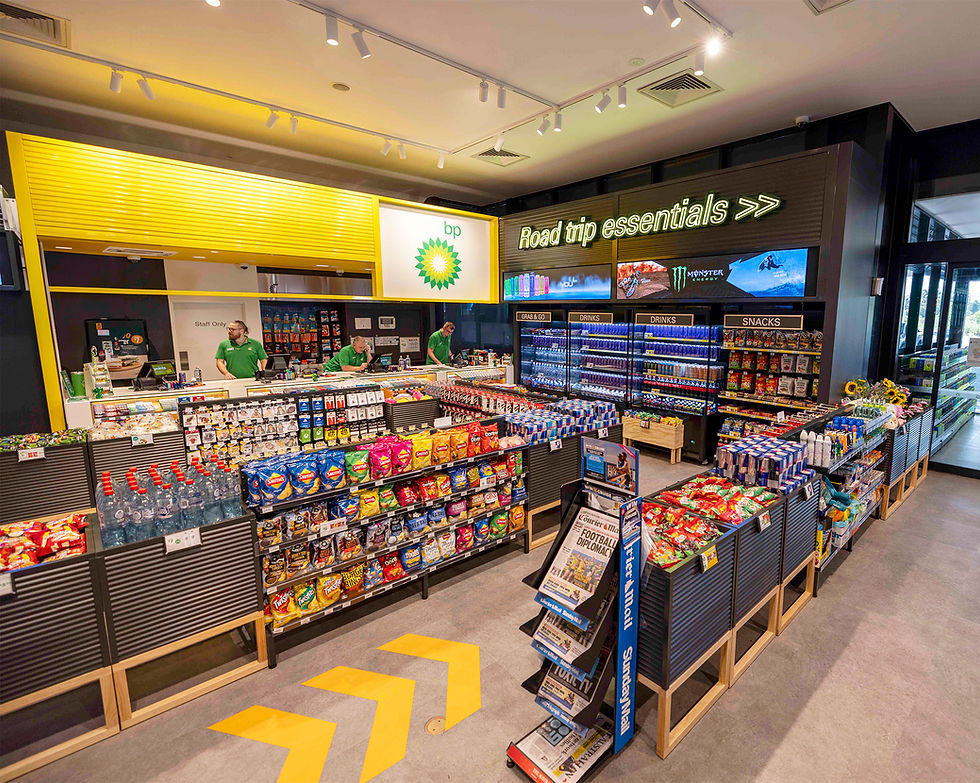
In café design, positioning impulse items such as pastries or bottled beverages along the queue path can increase average transaction value. This approach is rooted in behavioural science and supported by sales data from quick service environments.
Digital ordering kiosks and mobile collection points further streamline the process, reducing congestion and increasing throughput without compromising experience.
Outdoor Spaces and Seasonal Influence
In temperate climates, outdoor seating can significantly extend dwell time and overall spend. Alfresco areas provide an alternative ambience and often attract different customer segments.
Design considerations for outdoor areas include weather protection, heating, shading and acoustic buffering from street noise. When well-integrated with the interior, these spaces can increase capacity and diversify revenue streams.
In cities such as Brisbane, outdoor dining is particularly relevant due to favourable weather conditions. Analysing seasonal sales data helps determine the return on investment for outdoor upgrades.
Data Collection and Continuous Improvement
Modern hospitality venues have access to detailed performance data. Point of sale systems, reservation platforms and customer feedback tools provide insights into behaviour patterns.
Key metrics relevant to design impact include:
Average dwell time
Spend per head
Table turnover rate
Zone based revenue performance
By correlating these metrics with physical layout and environmental adjustments, venue owners can identify what drives profitability. Small design modifications, such as repositioning seating or adjusting lighting levels, can yield measurable changes.
Engaging designers early in refurbishment planning ensures that data informs creative decisions rather than reacting to problems after launch.
Conclusion
Hospitality Design has a direct and measurable impact on customer dwell time and spend. Through strategic layout, lighting, acoustic control and zoning, restaurant and venue owners can shape behaviour in subtle but significant ways. Restaurant design psychology and café design principles are grounded in evidence, not assumption.
For operators seeking to refine or expand their venues, consulting with experienced professionals via a dedicated hospitality design contact team can provide clarity on aligning environment with commercial objectives. Ultimately, well considered design supports both customer satisfaction and sustainable revenue growth.
Frequently Asked Questions
1. How does hospitality design increase customer dwell time?
Comfortable seating, balanced lighting, effective acoustics and logical layout encourage guests to remain longer, which can lead to additional orders and higher spend.
2. Does longer dwell time always mean higher revenue?
Not necessarily. The design must balance comfort with turnover. In quick service venues, efficiency may be more profitable than extended stays.
3. What is restaurant design psychology?
Restaurant design psychology examines how physical environment influences customer emotions, decisions and spending behaviour.
4. How important is café design in small spaces?
Café design is critical in compact venues. Efficient layout, clear queue management and flexible seating maximise revenue within limited square footage.
5. Can design changes be measured financially?
Yes. Metrics such as spend per head, table turnover and zone-based sales can be tracked before and after design adjustments to assess impact


Comments